Gritty, Burning, or Watery Eyes? Why Eye Drops Alone Won't Fix Chronic Dry Eye Syndrome

Dry eye can seem simple at first. Your eyes feel gritty, burning, tired, or unusually watery, so you reach for lubricating eye drops. Drops may provide temporary comfort, but recurring symptoms often indicate an underlying problem that needs more targeted care.
Chronic dry eye syndrome can develop when your eyes do not produce enough tears or when the tear film evaporates too quickly. At Beverly Plaza Optometric Center, we evaluate the different components of the tear film to identify what is disrupting eye comfort and recommend treatment based on the cause.
Why Watery Eyes Can Still Be Dry
Healthy tears contain water, mucus, and oil. The oil layer slows evaporation and helps the tear film remain stable between blinks. When the meibomian glands inside the eyelids become blocked or produce poor-quality oil, tears may evaporate too quickly. This condition is known as meibomian gland dysfunction, or MGD.
Your eyes may respond to irritation by producing an overflow of watery tears. However, these reflex tears may not contain enough protective oil to remain on the eye. That is why watery eyes can still be a sign of chronic dry eye syndrome.
Common symptoms may include:
- Burning, stinging, or scratchy eyes
- Redness or sensitivity to light
- Blurry or fluctuating vision
- Excessive tearing
- Discomfort while wearing contact lenses
Why Artificial Tears May Not Be Enough
Artificial tears can add moisture to the eye's surface, but they do not necessarily clear blocked meibomian glands or remove buildup along the eyelids and lashes. When evaporation or poor eyelid hygiene is contributing to dry eye, repeated drop use may only manage symptoms for a short time.
A dry eye evaluation helps determine whether MGD, eyelid debris, tear film instability, or another factor is involved. This allows us to recommend care that addresses the source of the problem instead of relying only on temporary lubrication.
LipiFlow Targets Blocked Oil Glands
LipiFlow is an in-office thermal pulsation treatment designed for meibomian gland dysfunction. The system applies controlled heat and gentle pressure to the eyelids, helping release blockages and support healthier oil flow.
By improving meibomian gland function, LipiFlow may help strengthen the tear film's protective oil layer and reduce rapid tear evaporation. The procedure is performed in the office and does not depend on patients maintaining the temperature and pressure of a warm compress at home.
NuLids Supports Cleaner Eyelids
Environmental debris, makeup residue, and other buildup can collect around the eyelid margins and lashes. This may contribute to irritation and interfere with the glands that support a stable tear film.
NuLids PRO is an in-office eyelid hygiene procedure that uses a gentle oscillating tip to clean the eyelashes and remove debris from the eyelids. The treatment is designed to feel similar to an eyelid massage and can be completed within minutes. Keeping the eyelid area clean may help reduce sources of irritation and support ongoing dry eye management.
Choosing the Right Dry Eye Treatment
LipiFlow and NuLids serve different purposes. LipiFlow focuses on blocked meibomian glands, while NuLids focuses on eyelid and lash hygiene. Some patients may benefit from one treatment, while others may need a combined plan based on their symptoms and exam findings.
Schedule a dry eye consultation with Beverly Plaza Optometric Center in Los Angeles, CA, at (310) 360-8220 to move beyond temporary relief and treat what is causing your gritty, burning, or watery eyes.
Helpful Articles
article_category: products
article_category: psychiatry
article_category: faqs
article_category: cats
article_category: general
article_category: services
article_category: technology
article_category: dogs
article_category: restorative
article_category: vision therapy
article_category: contact lenses
article_category: health
article_category: conditions
article_category: eye surgery co-management
article_category: exotic
article_category: cosmetic
article_category: surgical procedures
article_category: aesthetics
article_category: preventative
article_category: ocular disease management
article_category: eyeglasses
article_category: eye health
article_category: large animal
[]
article_category: psychiatry
article_category: faqs
article_category: cats
article_category: general
article_category: services
article_category: technology
article_category: dogs
article_category: restorative
article_category: vision therapy
article_category: contact lenses
article_category: health
article_category: conditions
article_category: eye surgery co-management
article_category: exotic
article_category: cosmetic
article_category: surgical procedures
article_category: aesthetics
article_category: preventative
article_category: ocular disease management
article_category: eyeglasses
article_category: eye health
article_category: large animal
[]
Flowbite is an open-source library of interactive components built on top of Tailwind CSS including buttons, dropdowns, modals, navbars, and more.
Check out this guide to learn how to get started and start developing websites even faster with components on top of Tailwind CSS.
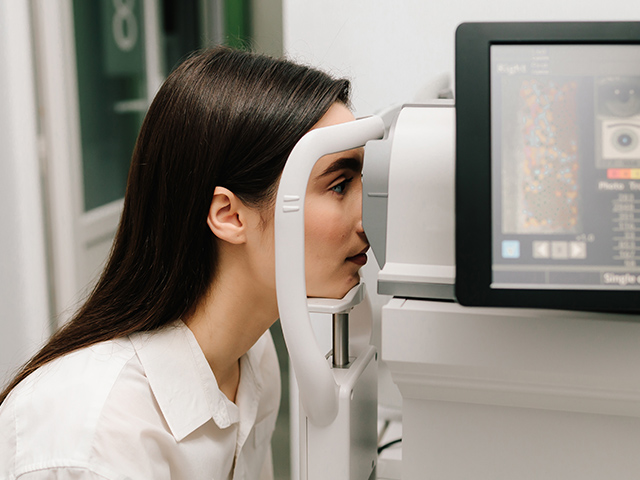
All Eye Care Services
Find personalized eye care excellence with our comprehensive services. From eye exams to advanced diagnostics, trust us for all your vision needs.
Keep In Touch
For non-urgent questions or to learn more about our services, contact us today!
© 2026 Beverly Plaza Optometric Center. All rights Reserved - Accessibility Statement - Privacy Policy - Sitemap
Managed and Designed by 