Every patient is different and so are their eyes. This means that there need to be different types of contact lenses to suit each individual. Some patients have corneal abnormalities which mean that conventional lenses won’t sit comfortably on the surface of their eyes, while others suffer from eye conditions that mean normal contact lenses won’t be comfortable or could irritate their eyes.
As you may have guessed from the name, specialty contact lenses are unconventional contacts that are designed for patients that regular contacts might not be suitable. Here are some of the main types of speciality contact lenses and who they are recommended for.

Specialty Contact Lenses

Who might be a good patient for specialty contact lenses?
Some of the patients that might benefit from specialty contact lenses include those who:
have been diagnosed with dry eye syndrome
have corneal scarring
have been diagnosed with keratoconus, a condition characterized by the bulging of the cornea
suffer from strabismus, a condition where the patient has an eye that turns in or out relative to the other
have suffered an injury to the eye
suffer from a peripheral corneal thinning disorder
are intolerant to other types of lenses
Your eye doctor or contact lens provider will be able to tell you if you need specialty contact lenses and if so, which lenses would be best based on your individual requirements.
Rigid Gas-Permeable Lenses
Also known as RGP lenses, these are made from a special material that allows oxygen to pass through them and reach the surface of the eyes. This helps to keep the eyes hydrated and comfortable, making these lenses easier to wear, especially for patients who suffer from dry eyes. Dry eyes aren’t just a symptom, but a very real condition, characterized by dry, stiff, and uncomfortable eyes, blurred vision, and eye fatigue. RGP lenses are more rigid than soft lenses, and this helps to keep them stable and secure on the eyes so that patients can enjoy sharper vision. They also help the cornea to maintain its shape, which helps to minimize the effects of some corneal abnormalities.
Scleral Contact Lenses
Scleral contact lenses are very different to standard contact lenses. This is because scleral lenses are much larger in diameter, with three different sizes available depending on your specific needs. This size difference means that the edges of the contact lens fall on a white part of the eye, called the sclera rather than the cornea. Scleral lenses are also different in that they vault over the surface of the cornea rather than touching it, leaving a space between the front surface of the eye and the back of the contact lens. This makes scleral lenses a good choice for patients with dry eyes and corneal abnormalities. Space can trap tear film which keeps the eyes hydrated, while space also accommodates many corneal abnormalities, such as the bulge associated with keratoconus.
Hybrid Contact Lenses
Hybrid contact lenses are a combination of both soft and gas-permeable contact lenses, giving patients the opportunity to enjoy the best parts of both designs. The middle part of hybrid lenses is made from gas-permeable material that lets oxygen pass through to the eyes. However, the gas-permeable part of the lens is more rigid, and this firmer center gives the lens greater stability and the patient enhanced clarity. The RGP portion of the lens also helps to trap a tear film between the cornea and the lens so that the eye remains hydrated. Meanwhile, the outer edge of hybrid lenses is a soft lens skirt. This means that patients don’t have to deal with the hard edges associated with RGP lenses that may be uncomfortable. Instead, the comfort levels that patients experience are more like wearing fully soft lenses.
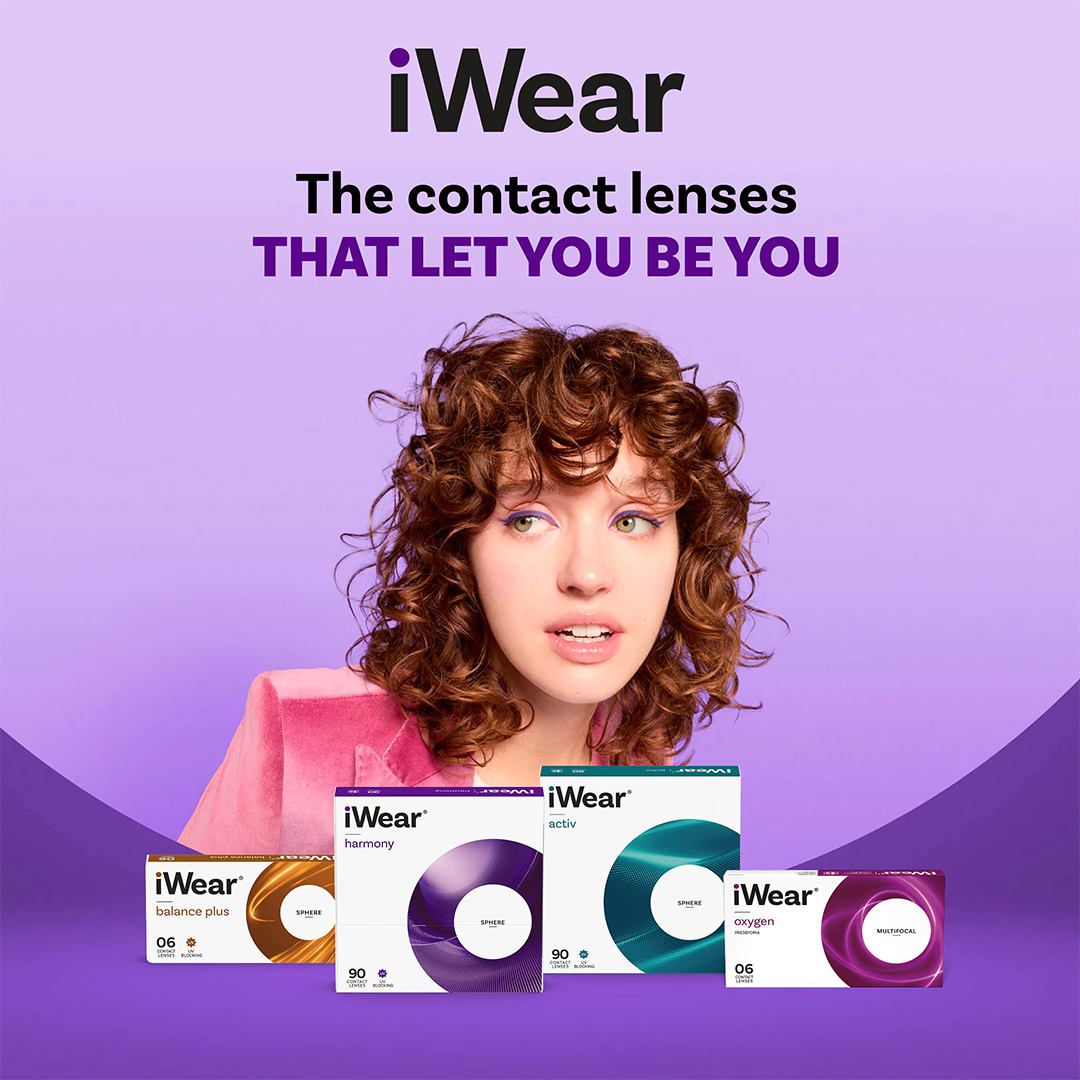
iWear® THE CONTACT LENSES THAT LET YOU BE YOU
Introducing contact lenses by iWear® — a complete range of contacts designed for comfort, clarity, and everyday wear, including:
iWear® Harmony: Daily disposable lens for extraordinary comfort, health and convenience for long and demanding days.
iWear® Activ: Daily disposable contacts featuring WetLoc® Technology that keeps lenses moist throughout the day.
iWear® Oxygen: Monthly reusable lenses that provide correction for nearly all prescriptions.
iWear® Balance Plus: 2-week replacement lenses with moisture-rich material and optics that enhance visual clarity.
Whatever your need, each lens is developed to support you with a natural and reliable fit, day after day.
Colored Contacts

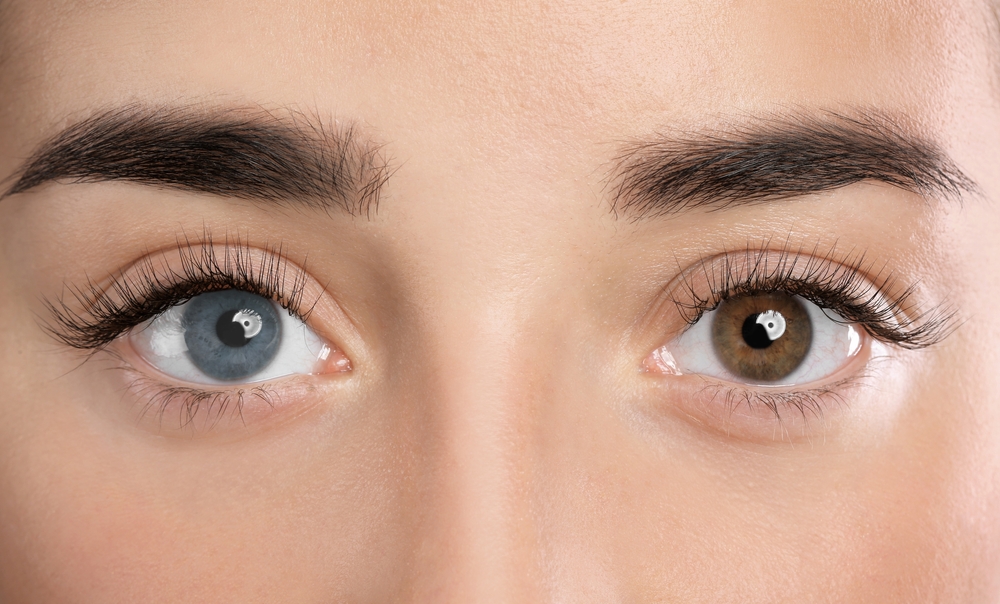
Colored contacts have become increasingly popular over the years as a way to enhance your look and experiment with different eye colors. Whether you want to change your eye color for a special occasion or simply for everyday wear, colored contacts offer a fun and versatile option.
Different Types of Colored Contacts
When it comes to colored contacts, there are various types to choose from, depending on your preferences and needs. The three main categories are cosmetic, enhancement, and opaque lenses.
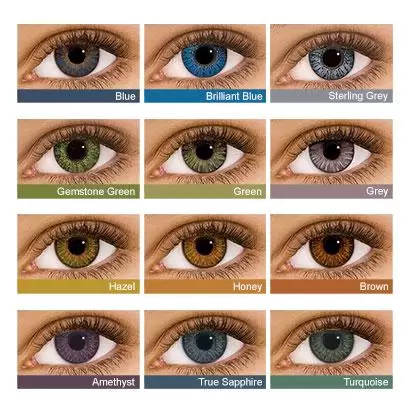
Cosmetic lenses are designed to completely change the color of your eyes. These lenses come in a wide range of shades, from natural hues such as blue, green, and brown, to more vibrant colors like purple, gray, and even red. Cosmetic lenses can create a dramatic transformation and give you the eye color you desire.
Enhancement lenses, on the other hand, are designed to enhance your natural eye color rather than change it completely. They add depth and intensity to your eyes, making them appear brighter and more vibrant. Enhancement lenses are ideal if you want a subtle change that enhances your natural beauty.
Opaque lenses are specifically designed to cover dark-colored eyes. They are ideal for individuals with naturally dark eyes who want to achieve a lighter or more vibrant eye color. Opaque lenses are often used in theatrical or costume applications as they can create a striking and captivating look.
The Importance of a Contact Lens Exam
A contact lens exam is essential to ensure that your eyes are healthy and suitable for wearing colored contacts. During the exam, an optometrist will evaluate your eye health, measure your eye curvature, and determine the appropriate contact lens prescription for you.
The contact lens exam also involves a fitting process to ensure that the lenses fit properly on your eyes. Ill-fitting contacts can cause discomfort, irritation, and even damage to your eyes. By having an optometrist conduct a contact lens exam, you can ensure that your lenses fit correctly and are safe to wear.
Additionally, a contact lens exam allows the optometrist to provide you with proper instructions on how to insert, remove, and care for your colored contacts. They will educate you on the correct cleaning and disinfection methods to maintain the health and longevity of your lenses. Following these guidelines will help prevent eye infections and other complications associated with wearing contacts.
If you're ready to enhance your look with colored contacts, schedule a contact lens exam with our optometrist today. We will guide you through the process and help you find the perfect colored contacts to suit your style and vision needs.
Air Optix Colors
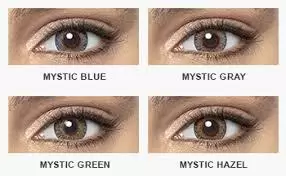
Focus Dailies Colors
Helpful Articles
article_category: products
article_category: psychiatry
article_category: faqs
article_category: cats
article_category: general
article_category: services
article_category: technology
article_category: dogs
article_category: restorative
article_category: vision therapy
article_category: contact lenses
article_category: health
article_category: conditions
article_category: eye surgery co-management
article_category: exotic
article_category: cosmetic
article_category: surgical procedures
article_category: aesthetics
article_category: preventative
article_category: ocular disease management
article_category: eyeglasses
article_category: eye health
article_category: large animal
[]
article_category: psychiatry
article_category: faqs
article_category: cats
article_category: general
article_category: services
article_category: technology
article_category: dogs
article_category: restorative
article_category: vision therapy
article_category: contact lenses
article_category: health
article_category: conditions
article_category: eye surgery co-management
article_category: exotic
article_category: cosmetic
article_category: surgical procedures
article_category: aesthetics
article_category: preventative
article_category: ocular disease management
article_category: eyeglasses
article_category: eye health
article_category: large animal
[]
Flowbite is an open-source library of interactive components built on top of Tailwind CSS including buttons, dropdowns, modals, navbars, and more.
Check out this guide to learn how to get started and start developing websites even faster with components on top of Tailwind CSS.
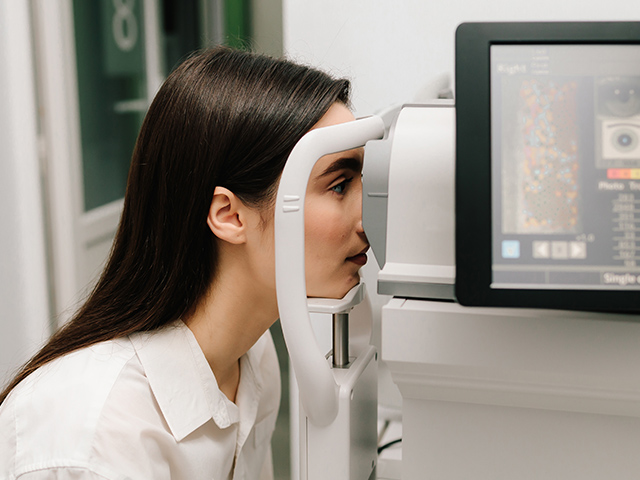
All Eye Care Services
Find personalized eye care excellence with our comprehensive services. From eye exams to advanced diagnostics, trust us for all your vision needs.
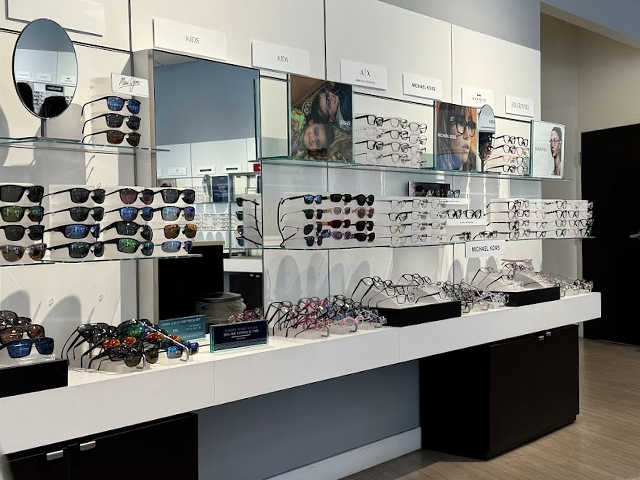
Keep In Touch
For non-urgent questions or to learn more about our services, contact us today!
© 2026 Beverly Plaza Optometric Center. All rights Reserved - Accessibility Statement - Privacy Policy - Sitemap
Managed and Designed by 